
A heavy duty truck radiator plays an essential role in keeping the engine at a safe operating temperature. When a radiator begins to fail, the truck may experience overheating, coolant loss, reduced performance, and potentially serious engine damage.
But what causes a heavy duty truck radiator to fail?
There are several common causes, including corrosion, physical damage, contaminated coolant, excessive heat, and normal wear over time. Understanding these causes can help truck owners identify problems early and determine when a radiator replacement may be necessary.
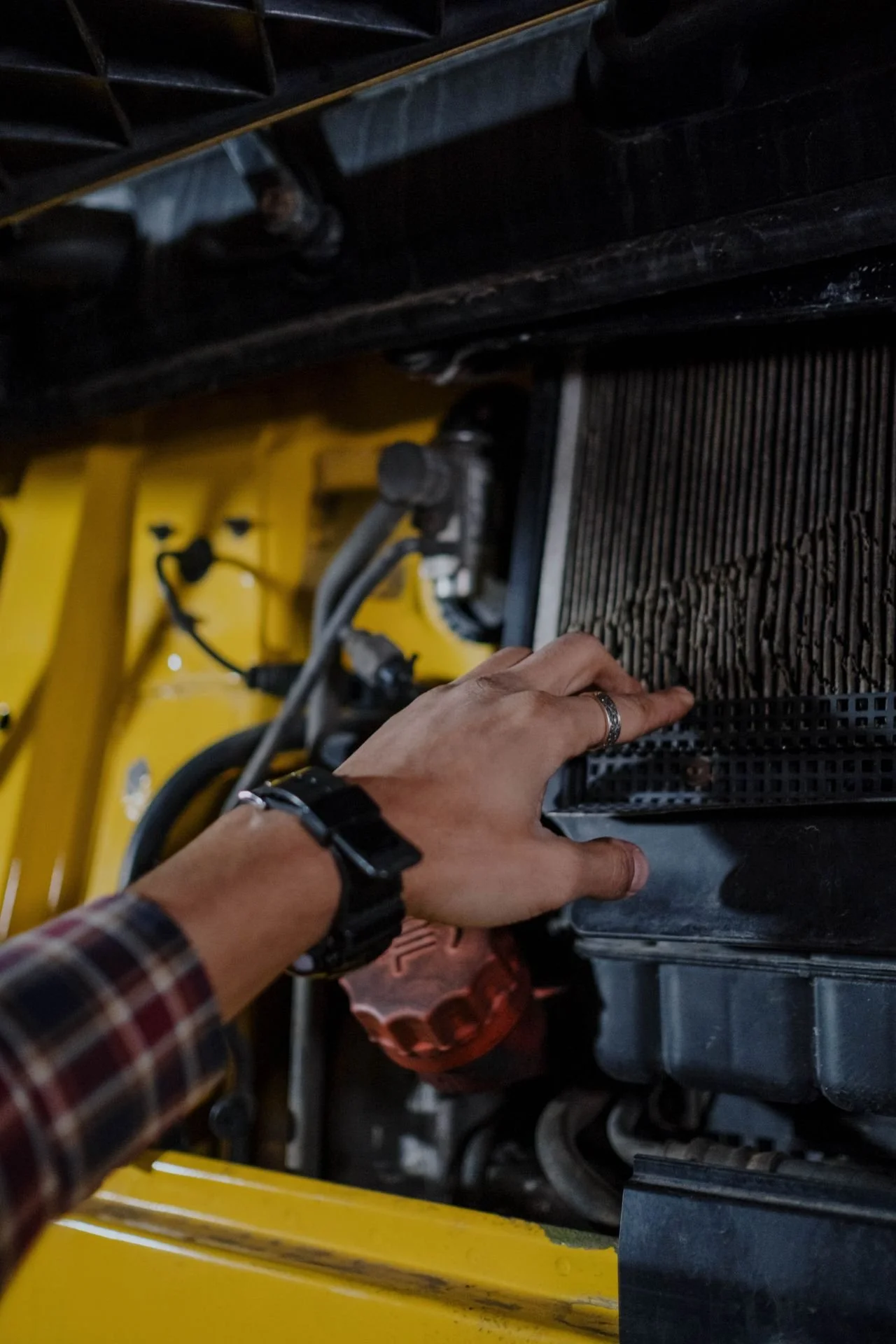
1. Corrosion
Corrosion is one of the most common causes of radiator failure.
Over time, exposure to coolant, moisture, contaminants, and other environmental factors can cause corrosion inside or outside the radiator. Internal corrosion can affect coolant flow, while external corrosion can weaken the radiator and eventually lead to leaks.
Severe corrosion can make replacement necessary.
2. Physical Damage
Heavy duty trucks operate in environments where the radiator can be exposed to road debris, rocks, dirt, and other materials.
A damaged radiator can develop bent fins, cracks, or leaks. Even relatively small amounts of damage can affect airflow and cooling performance.
If the radiator has significant physical damage, replacing it may be the most reliable solution.
3. Contaminated or Improperly Maintained Coolant
The cooling system depends on properly maintained coolant to transfer heat away from the engine.
Old or contaminated coolant can contribute to corrosion, deposits, and restricted coolant flow. Using the wrong coolant or an improper coolant mixture can also negatively affect the cooling system.
Following the truck manufacturer's recommended coolant specifications and maintenance schedule can help protect the radiator.
4. Excessive Heat
Heavy duty trucks regularly operate under demanding conditions. Long hauls, heavy loads, steep grades, traffic, and high outdoor temperatures can all increase the amount of heat the cooling system needs to manage.
When a cooling system is consistently exposed to extreme operating conditions, the radiator can experience additional stress.
This can be especially important for trucks operating in hot climates such as Texas.
5. Clogged Radiator Fins
The radiator relies on airflow through its fins to transfer heat away from the coolant.
Dirt, dust, bugs, road debris, and other contaminants can accumulate on the outside of the radiator. When airflow becomes restricted, the radiator may not be able to dissipate heat effectively.
A severely restricted radiator can contribute to engine overheating.
6. Internal Blockages
Debris, corrosion, deposits, and contaminated coolant can sometimes restrict the passages inside a radiator.
When coolant cannot circulate properly, the radiator may not be able to remove enough heat from the engine.
Internal blockage can reduce cooling efficiency and contribute to overheating.
7. Coolant Leaks
A radiator that is leaking cannot maintain the proper amount of coolant required by the cooling system.
Leaks can develop because of corrosion, physical damage, deteriorated components, or age.
If coolant levels continue to drop, the engine may eventually overheat. Continuing to operate a truck with a significant coolant leak can lead to more serious problems.
8. Age and Normal Wear
Even a properly maintained radiator will eventually wear out.
After years of operation, materials can deteriorate and the radiator may become more susceptible to leaks, corrosion, and reduced cooling performance.
Heavy duty truck radiators can often last many years, but operating conditions and maintenance can significantly affect their lifespan.
Signs Your Truck Radiator May Be Failing
Knowing the warning signs can help you address radiator problems before they become more serious.
Common signs include:
Engine overheating
Coolant leaking from the radiator
Frequently low coolant levels
Visible corrosion
Damaged or bent radiator fins
Reduced cooling performance
Discolored or contaminated coolant
Excessive temperature fluctuations
If your truck is consistently overheating or losing coolant, the radiator and other cooling system components should be inspected.
When Should You Replace a Heavy Duty Truck Radiator?
Not every cooling system problem means the radiator itself needs to be replaced. However, a radiator that is severely damaged, corroded, leaking, or no longer providing adequate cooling may need to be replaced.
Continuing to operate a heavy duty truck with a failing radiator can increase the risk of overheating and potentially expensive engine damage.
When replacement is necessary, selecting the correct radiator for your specific truck application is important.
Choose a New Heavy Duty Truck Radiator
Radiator Center provides new heavy duty truck radiators for customers who need a dependable replacement.
Our new radiators come with a 1 year warranty, providing additional peace of mind when replacing an important component of your truck's cooling system.
If your heavy duty truck radiator is leaking, damaged, corroded, or no longer cooling properly, Radiator Center can help you find the right replacement.
Contact Radiator Center today to find a new heavy duty truck radiator for your application.