7 Signs Your Semi-Truck Is About to Overheat

If you drive a semi-truck, few problems are more stressful than seeing the temperature gauge climb toward the red zone. Engine overheating can lead to expensive repairs, unexpected downtime, and even long-term engine damage if it isn’t addressed quickly.

For truck drivers and fleet owners, recognizing the early warning signs of overheating can help prevent breakdowns and keep your truck on the road.

At Radiator Center Inc., we specialize in heavy-duty cooling system parts for semi-trucks, including radiators, condensers, charge air coolers, and other components designed to keep engines running at safe temperatures. Below are seven signs your semi-truck may be about to overheat—and what you should do about it.

1. Your Temperature Gauge Is Rising

The first and most obvious warning sign is your truck’s engine temperature gauge creeping higher than normal.

Most diesel engines operate within a specific temperature range. If you notice the gauge moving toward the upper end, it could indicate a problem with your cooling system, such as:

  • A clogged radiator

  • Low coolant levels

  • A failing thermostat

  • Restricted airflow through the radiator

If the gauge continues rising, it's important to pull over safely and inspect the issue before serious damage occurs.

2. Steam Coming From the Hood

Steam from the engine bay is one of the clearest signs of overheating.

When coolant gets too hot, it can start to boil, producing steam that escapes from the radiator or coolant reservoir. This often means the cooling system is no longer able to regulate engine temperature effectively.

Possible causes include:

  • Radiator leaks

  • Broken coolant hoses

  • A cracked radiator tank

  • Failed radiator cap

In situations like this, replacing damaged components with a high-quality heavy-duty radiator can prevent recurring overheating issues.

3. Coolant Leaks Under Your Truck

If you notice puddles of coolant underneath your truck, it’s a major warning sign.

Coolant leaks can come from several parts of the cooling system, including:

  • Radiators

  • Hoses

  • Water pumps

  • Heater cores

Even a small leak can eventually reduce coolant levels enough to cause overheating. Addressing leaks quickly can prevent major engine problems later.

4. Reduced Engine Power

An overheating engine often triggers protective systems that reduce engine power.

If your truck suddenly feels sluggish while climbing hills or hauling heavy loads, overheating could be the cause. When temperatures climb too high, modern diesel engines may limit performance to prevent internal damage.

Reduced power combined with rising temperatures usually indicates that your cooling system needs inspection.

5. Strong Coolant Smell

Coolant has a distinct sweet smell. If you notice this scent around your truck, it could indicate:

  • A leaking radiator

  • A cracked hose

  • Coolant evaporating due to overheating

Even if you don’t see a visible leak, the smell alone can be a sign that coolant is escaping somewhere in the system.

6. Dirty or Clogged Radiator Fins

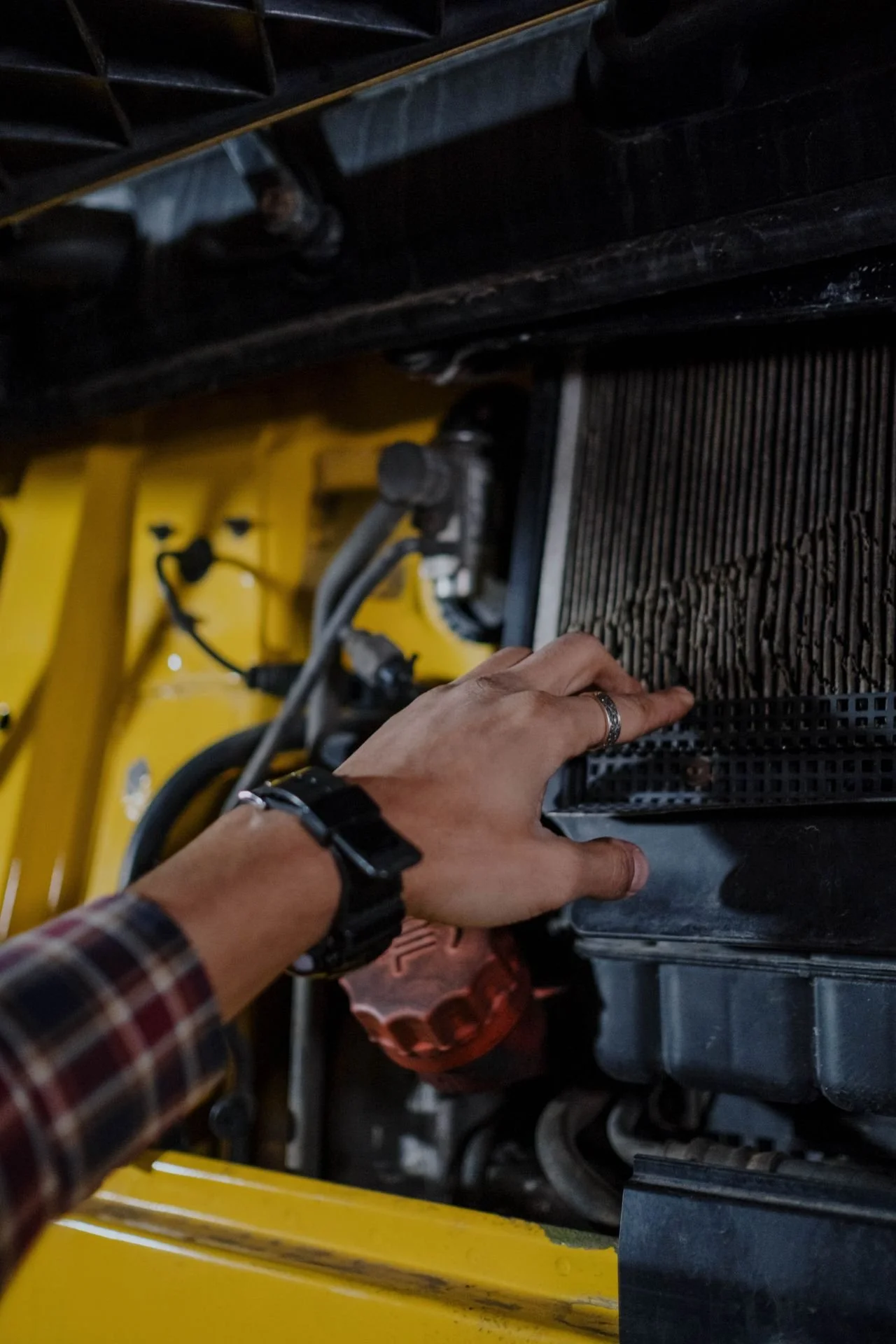
Semi-trucks drive through dust, debris, bugs, and road grime every day. Over time, this buildup can block airflow through the radiator fins.

When airflow is restricted, the radiator cannot effectively release heat from the coolant.

Common causes include:

  • Mud buildup

  • Debris trapped in the grille

  • Bent radiator fins

Routine cleaning and maintenance can help ensure the radiator performs efficiently.

7. Frequent Coolant Top-Offs

If you constantly find yourself adding coolant, something isn’t right.

Coolant systems are designed to remain sealed. If levels drop frequently, there is usually a leak or internal issue somewhere in the cooling system.

Ignoring the problem can eventually lead to overheating and costly repairs.

How Radiator Center Helps Prevent Overheating

At Radiator Center Inc., we understand how critical a reliable cooling system is for truck drivers and fleet operators.

Our company provides high-quality heavy-duty cooling components, including:

  • Semi-truck radiators

  • Charge air coolers

  • AC condensers

  • Cooling system components for major truck brands

Our parts are designed to withstand demanding conditions and help keep trucks running efficiently on long hauls.

Prevent Overheating Before It Starts

The best way to avoid costly repairs is preventive maintenance.

Regular cooling system inspections can help identify small issues before they turn into major problems. Drivers should regularly:

  • Check coolant levels

  • Inspect hoses for cracks or leaks

  • Clean radiator fins

  • Monitor engine temperature gauges

If your truck is showing signs of overheating, replacing worn or damaged cooling system components early can save both time and money.

Keep Your Truck Running Cool

Engine overheating is a problem no driver wants to face on the road. By recognizing the warning signs early and maintaining your cooling system properly, you can prevent costly downtime and engine damage.

If you need reliable heavy-duty cooling components, Radiator Center Inc. offers parts designed to keep semi-trucks running cool and operating at peak performance.

Keeping your truck’s cooling system in top shape means fewer breakdowns, safer driving, and more miles on the road.

Why Semi Trucks Overheat? How Radiator Center Can Help You Stay Cool

Semi trucks are workhorses of the road, hauling heavy loads across long distances day in and day out. But with that workload comes a major challenge: engine overheating. One of the most common causes of overheating is the cooling system not being able to keep up — especially when the radiator can’t efficiently release heat.

At Radiator Center, we specialize in providing brand-new radiators engineered to handle the toughest conditions on the road. Whether you’re preparing for long hauls or replacing aging components, choosing a quality new radiator is one of the smartest investments you can make in your fleet’s performance.

The Big Consequences of Overheating

When a semi truck overheats, the problems go far beyond just a hot engine. Here’s what can happen when cooling fails:

  • Engine Damage: Excessive heat can warp engine components or cause cracking, leading to costly engine failure.

  • Downtime & Delays: A truck sidelined due to overheating means missed delivery windows and disrupted schedules.

  • Lost Revenue: Time off the road equals lost income — especially if multiple trucks in a fleet are affected.

Keeping the cooling system in peak condition helps protect your investment and keeps your trucks running efficiently.

Common Causes of Semi Truck Overheating

Understanding why trucks overheat helps you choose the right radiator and avoid repeated issues. These are some of the main reasons semi engines run too hot:

Coolant Problems

Coolant is essential for transferring heat away from the engine. Low levels or leaks reduce cooling capacity and increase thermal stress.

Clogged or Inefficient Radiators

Over time, radiators can accumulate debris, corrosion, or internal blockage, which reduces airflow and heat dissipation.

Thermostat & Circulation Issues

Faulty thermostats or failed water pumps can stop coolant from circulating properly, meaning heat isn’t carried away from the engine effectively.

Worn Hoses and Fittings

Aging hoses or corroded connections can leak or collapse, interrupting coolant flow under load.

Blocked Airflow

Dirt, bugs, and road debris can clog radiator fins, limiting the air needed to cool the coolant passing through the core.

Early Signs Your Radiator Isn’t Keeping Up

Catching overheating early can prevent more serious issues. Look for these warning signs:

  • Rapidly rising temperature gauge

  • Steam or visible heat coming from under the hood

  • Coolant pooling under the truck

  • Dashboard temperature warnings or fault codes

  • Sweet smells or gurgling sounds indicating coolant issues

If these symptoms occur frequently, it may be time to consider a new radiator designed for your truck’s demands.

How New Radiators Prevent Overheating

The right radiator plays a central role in controlling engine temperature. At Radiator Center, we offer a wide selection of radiators built to:

  • Maximize airflow and heat transfer

  • Withstand heavy-duty use and long highway miles

  • Resist corrosion and clogging

  • Fit a broad range of semi truck makes and models

Choosing a high-quality new radiator ensures your cooling system has the capacity and durability needed to handle today’s demanding routes.

Pick the Right Radiator for Your Truck

When you’re ready to replace an aging or underperforming radiator, trust Radiator Center for expertise and selection. A new radiator isn’t just a part — it’s a long-term investment in reliability, performance, and uptime for your fleet.

Why Semi Trucks Overheat (How to Prevent Radiator Failure)

Houston’s heat, humidity, and nonstop freight traffic make cooling system problems a common issue for semi-trucks. From I-10 congestion to long idle times near the Port of Houston, heavy-duty engines in this area operate under extreme conditions. Without a properly functioning radiator, overheating can quickly lead to engine damage and expensive downtime.

Why Semi-Trucks Overheat in Houston

The most common cause of overheating is radiator-related failure. Low coolant levels, leaks, and clogged radiator cores reduce the system’s ability to remove heat from the engine. Houston road debris, insects, and construction dust can block radiator fins, restricting airflow when it’s needed most.

Failing water pumps, stuck thermostats, and deteriorated hoses also contribute to overheating, especially during peak summer temperatures. In Houston’s climate, rubber components wear faster, increasing the risk of sudden coolant loss.

Signs Your Heavy Duty Radiator Needs Attention

Warning signs include rising engine temperatures, coolant leaks, steam from the engine compartment, or a sweet antifreeze smell. Ignoring these symptoms can lead to severe engine damage and costly repairs.

Preventing Radiator Failure in Houston, TX

Regular maintenance is essential for heavy duty truck radiators in Houston, TX. Coolant levels should be checked frequently and flushed as recommended. Radiator fins should be kept clean to ensure proper airflow. Hoses, clamps, thermostats, and water pumps should be inspected regularly, especially before and during the summer months.

Reliable Heavy Duty Truck Radiator Service in Houston

Keeping your radiator in top condition is critical for operating safely and efficiently in Houston’s demanding environment. Preventive care reduces downtime, protects your engine, and keeps your truck on the road where it belongs.

What Causes Truck Radiator Leaks? (Houston Truck Guide)

A radiator leak is more than an inconvenience — it’s a problem that can lead to serious overheating and costly engine damage. Whether you’re driving a commuter car or a heavy-duty Freightliner truck, knowing what causes radiator leaks can save you time, stress, and money. Here’s a breakdown of the most common causes, plus why many drivers in Houston trust Radiator Center for replacements.

1. Corrosion and Rust

Over time, coolant can break down and become acidic. When that happens, it starts corroding the inside of the radiator. This corrosion creates thin, weak areas that eventually form pinhole leaks. It’s one of the most common issues, especially for older vehicles or commercial trucks that run high mileage routes. Regular coolant flushes help prevent this, and Radiator Center can perform these services before corrosion becomes a major problem.

2. Excess Pressure

If coolant can’t circulate properly, pressure builds up inside the cooling system. A stuck thermostat, clogged radiator, or faulty radiator cap can all trap pressure. Once that pressure becomes too high, it may crack the radiator or blow out a seal. This issue is especially common in heavy-duty vehicles like Freightliner trucks that operate under extreme load and heat conditions. Radiator Center in Houston offers pressure testing and diagnostics specifically for Freightliner radiators.

3. Physical Damage

Radiators are exposed to road debris, gravel, and impact. A single rock strike or minor collision can puncture the radiator fins or tank. Even a small dent can lead to leaks later. If you’re driving through Houston’s construction zones or on long-haul trucking routes, this type of damage is common. Radiator Center can replace damaged units, including Freightliner radiators, Peterbilt/Kenworth, International & much more.

4. Lack of Maintenance

Old coolant, worn hoses, and loose clamps can cause leaks even when the radiator itself is fine. Houston’s heat accelerates hose deterioration, making maintenance especially important. Regular inspections help catch these issues before they result in a coolant leak.

5. Extreme Temperatures

Houston’s hot climate puts extra stress on radiators year-round. High temperatures increase pressure in the cooling system and accelerate wear on seals, hoses, and tanks. Using the correct coolant mixture and maintaining your radiator is essential — especially for commercial vehicles.

When to Visit Radiator Center in Houston

If you notice coolant on the ground, overheating, or a sweet smell under the hood, it’s time for a professional check. Radiator Center specializes in radiator replacement for both standard vehicles and heavy-duty models, including Freightliner radiators in Houston.

How Long Should a Semi-Truck Radiator Last?

If you’re searching for a semi-truck radiator for sale, it’s important to know how long a radiator should last before it needs replacing. On average, a well-maintained semi-truck radiator will last 8 to 10 years.

However, that lifespan can vary depending on several key factors:

  • Radiator quality: Heavy-duty radiators made with premium materials typically last longer.

  • Driving conditions: Extreme heat, cold, or dusty environments can wear a radiator faster.

  • Load weight: Frequent heavy loads increase engine heat and stress on the cooling system.

  • Coolant quality: Using high-performance coolant protects your radiator from corrosion.

  • Regular maintenance: Routine service checks can significantly extend radiator life.

Proper maintenance is your best investment—helping prevent breakdowns and keeping your truck’s cooling system running efficiently for years.

Maintenance Tips to Extend the Life of Your Radiator

To avoid costly repairs and premature replacement, follow these radiator care tips:

  • Check coolant levels regularly and top off as needed.

  • Inspect for leaks around the radiator, hoses, and water pump.

  • Clean your radiator to remove bugs, dust, and road debris.

  • Use only high-quality coolant designed for heavy-duty semi-truck engines.

  • Schedule professional radiator service at least once a year.

Your semi-truck radiator is vital to keeping your engine cool and preventing overheating—so maintaining it properly saves money and downtime in the long run.

Signs You Need a Radiator Replacement

Even with good care, radiators eventually wear out. Here are some clear signs it might be time to buy a new semi-truck radiator:

  • Frequent engine overheating

  • Visible rust or corrosion on or around the radiator

  • Coolant leaks under the truck

  • Sludge or discoloration in the coolant

  • Cracks or physical damage to the radiator

If you notice any of these warning signs, your radiator may be beyond repair—it’s time to replace it with a new heavy-duty semi-truck radiator.

Semi-Truck Radiators for Sale at Radiator Center

When you’re ready for a replacement, Radiator Center offers top-quality semi-truck radiators for sale—built to handle the toughest routes and heaviest loads.

Our expert team provides:

  • High quality radiators for most major semi-truck brands

  • Comprehensive cooling system service

We help keep your truck on the road longer with dependable, durable radiators and expert care.

Find the Right Semi-Truck Radiator Today

Whether you need semi-truck radiator replacement, or you’re simply shopping for the best semi-truck radiator for sale, Radiator Center is your trusted source.

📍 Visit us today or contact our team to find the perfect radiator for your rig—and keep your truck running cool and powerful for miles to come.

Common Mistakes Rookie Truck Drivers Make

For truck drivers, being on the road is serious business. Truck driving can come with many opportunities and create a prosperous career; however, it’s important for people in this business to avoid rookie trucker mistakes.

Everyone starts somewhere and each professional was once a novice. With that in mind, access to the right information can be a huge assist in steering clear of rookie truck driver mistakes.

In order to avoid these errors, knowing what to be mindful of is absolutely critical. This is where knowing the common mistakes of rookie truck drivers comes into play.

Lack of Preparation for Obstacles

The failure to prepare for obstacles while on the road is one of the leading rookie trucker mistakes. Even with the best of planning and greatest intentions, issues can arise. Sometimes, these problems may deal with mechanical malfunctions, communication issues with dispatchers, backing, or something else altogether. 

Regardless of what form the obstacles take, the failure to prepare ahead of time is one of various rookie truck driver mistakes that are often made. 

Unrealistic Expectations

When going out on the road, a lack of realistic expectations is yet another one of the common rookie trucker mistakes. It’s important to know that not every trip will be smooth-sailing. There will be certain times where things go well and other periods when a shipper drops a load or when the designated receiver for product changes. 

 Believing that everything will go off without a hitch is one of the rookie truck driver mistakes that can lead to frustration; it can also cause the job to be much harder than necessary. This is why going into things with a clear head and a realistic mindset makes all the difference in the world. Sadly, many rookie truck drivers struggle with this.


Missing Out on Learning Opportunities

Like other industries, trucking is full of learning opportunities. Unfortunately, missing out on or not seeing these opportunities makes the list of common rookie trucker mistakes.

 Some great learning opportunities to pay attention to include, but are certainly not limited to the following: observing the work of the dispatcher, learning from the mistakes of other truckers, and chatting with the mechanic when your truck needs fixing.

 Being mindful of learning opportunities can work wonders for truck drivers, especially ones who are new to the business. These opportunities can also help rookie truckers avoid some of the errors and missteps of others who have been in the trucking industry for a longer period of time.

Help and Support from Radiator Center

Knowing the common rookie trucker mistakes to steer clear of will certainly make a difference. With that in mind, it’s also important to know that additional resources for help and support are still available.

 If you have any further questions about trucking, please don’t hesitate to reach out to Radiator Center. We are so very proud to provide the best cooling components, radiators, and staffers who can be of service to you.

 Whether you’ve been a trucker for one day or ten years, you deserve to have as much information as possible and enjoy a prosperous trucking career.

5 Tips to Prevent Driver Fatigue

When you’re on the road and driving consecutively long hours, knowing how to prevent driver fatigue is deeply important. The last thing you want to do is be driving tired and have an accident or worse.

Thankfully, the following five tips can help you prevent driver fatigue and have safe travels while on the road.

1. Stock Up on Healthy Foods

Nourishment will play a significant role in you not driving tired or becoming fatigued. By stocking up on healthy foods, you can create wholesome and filling meals in your vehicle. With the right nutrients and food, you’ll be well on your way to preventing driver fatigue.

Some healthy foods to consider include the following: 

●      Canned beans

●      Lentils

●      Organic goods

●      Salmon

●      Organic beef and chicken

●      Quinoa

2. Steer Clear of Stress

Like stocking up on healthy foods, steering clear of stress is another critical way of preventing driver fatigue. Stress takes a significant toll on not only your physical faculties but also your mental and emotional ones. 

To prevent stress, you should engage in the following coping mechanisms:

 ●      Take deep breaths

●      Meditate

●      Squeeze a stress ball

●      Keep a journal


3. Drive in a Cozy Truck

The quality of your truck can significantly play a role in how to prevent driver fatigue.

To make your truck as cozy as possible, consider the following helpful features:

●      Heated seats

●      Plush mattress

●      Sound-dampening insulation

●      Enhanced lighting

●      Telescoping/titling steering wheels

●      Sun visors

●      Automotive-style dash


4. Get Your Body Moving

The countless health benefits of exercise are very well-documented. Getting your body moving is critical to not only avoid driving tired, but to also save yourself from physical ailments such as back pain or neck pain. Mild stretching or light jogging can work wonders.

5. Get a Decent Amount of Rest

Rest is one of the most critical ways to prevent driver fatigue. Getting the proper sleep of seven to eight hours allows your body and brain to recharge. When you wake up, you can return to the road with renewed energy.

---

Driving long hours on the road is not always easy, even when following the five tips listed above. However, Radiator Center wants you to know that we have your back.

 If you ever need help, assistance, or answers to questions, feel free to contact us at any time by clicking here.

What to Do If Your Truck Breaks Down on the Road

When operating a truck on the road, being equipped for the unexpected is always wise. More often than not, you should be OK. However, it’s always better to have certain information and not need it, than to need certain information and not have it.

Knowing what to do in the event that your truck breaks down on the road is critical for any driver. The last thing you want is to be stranded in the middle of nowhere with no idea how to handle a truck breakdown.

Your Truck Broke Down. What Now?

If and when your truck breaks down on the highway, knowing what to do and when to do it will be critical.

First and foremost, you’ll want to be aware of nearby repair shops. This is something you should be able to research ahead of time if you’re not already familiar with your destination.

 Getting a big rig breakdown to a truck stop, resting area, etc. is going to be the next important step to follow once you realize your truck broke down on the road. Even after you’ve managed to contact a repair shop, you don’t want to be trapped on the road with a truck breakdown while waiting for assistance.

Similar to researching nearby repair shops, being mindful of available truck stops and resting areas is always advisable.

Tips and Safety Precautions

Once you realize your truck broke down, adhering to the steps listed above is going to be critical. However, there are also certain tips and safety precautions you can follow to prevent a situation where your truck breaks down on the road.

One of the greatest precautions involves having the right set of tools on your person. The appropriate tools can help you get a big rig breakdown fixed in no time or even prevent a truck breakdown altogether. 

Some of the best tools to carry on the road are as follows:

●      Boots and gloves

●      Complete wrench set

●      Screwdriver set

●      Warm clothing

●      Supply of dry food

●      Oil

●      Coolant

●      Adjustable and air-to-air hose clamps

●      Vice grips

●      Duct tape

●      Extra headlights

●      Silicone tube

●      Fuel conditioner

●      Flashlight

Having the right tools on hand is one of the most reliable preventative measures against a truck breakdown.

Just like having the right set of tools on your person, direct access to all of your dispatcher’s phone numbers is important for your safety. A truck breakdown is often incredibly stressful even when you have the right tools and know what to do. Therefore, access to emergency services at all times can significantly de-escalate a situation where your truck breaks down on the highway.

What to Remember During a Truck Breakdown

Following the protocols and precautions listed above will immensely benefit you during your time on the road. 

On a final note, getting off the road, turning on your hazard lights, and waiting for assistance are the best measures to ensure your safety and that of other drivers if your truck breaks down.

If you believe that your truck may be malfunctioning, overheating, or suffering from radiator issues, don’t hesitate to get in contact with Radiator Center. We supply aftermarket cooling part for heavy duty trucks: radiators, condensers, and charge air coolers.

You can reach us by calling (832) 202-8769.

How to Get a CDL in Texas

How to Get a CDL in Texas

If you’re in the state of Texas, being fully aware of how to get a Commercial Driver’s License (CDL) is deeply imperative. Being aware of how to get a CDL in Texas a legal requirement for commercial vehicle drivers. Today, many commercial vehicle drivers find themselves needing to transport different varieties of cargo; however, the ability to effectively do this job demands eligibility for a CDL.