
A radiator leak is more than an inconvenience — it’s a problem that can lead to serious overheating and costly engine damage. Whether you’re driving a commuter car or a heavy-duty Freightliner truck, knowing what causes radiator leaks can save you time, stress, and money. Here’s a breakdown of the most common causes, plus why many drivers in Houston trust Radiator Center for replacements.
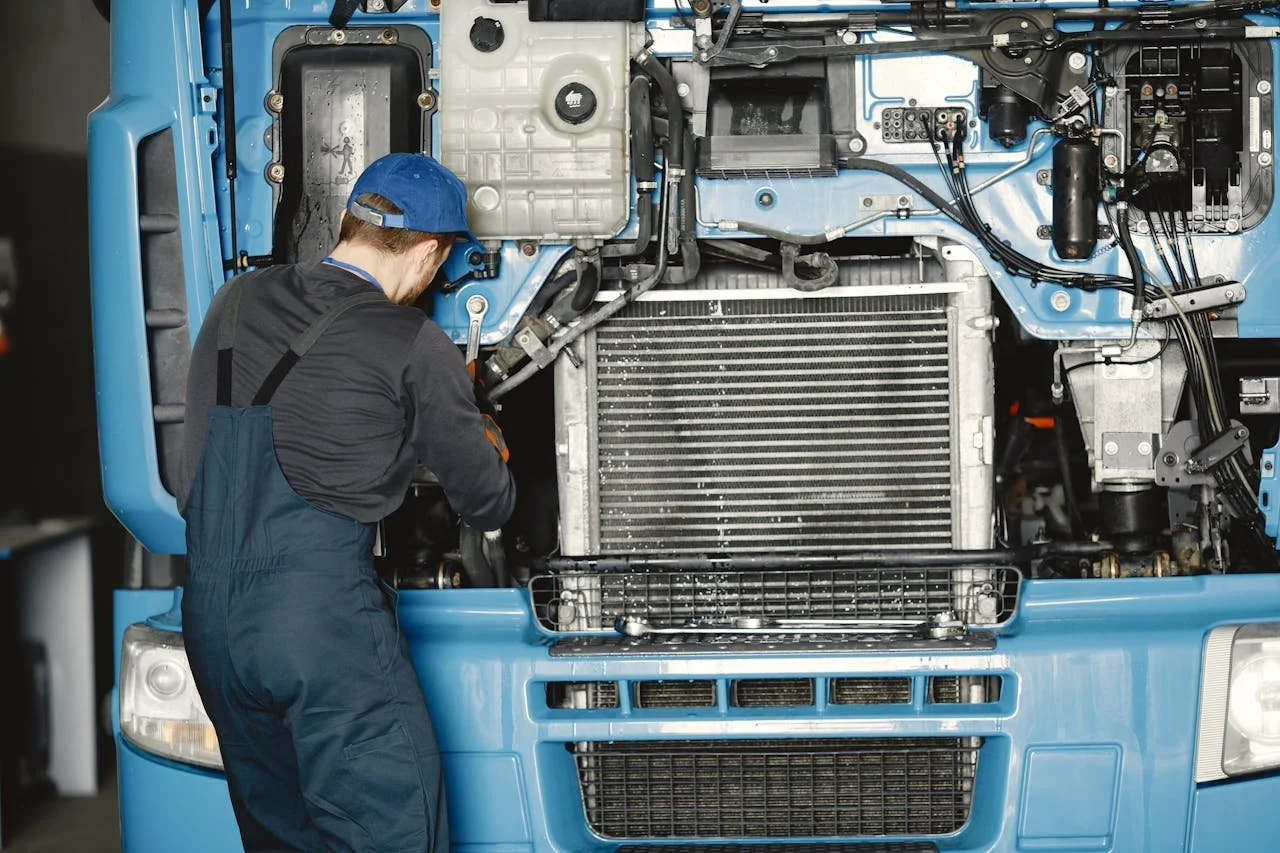
1. Corrosion and Rust
Over time, coolant can break down and become acidic. When that happens, it starts corroding the inside of the radiator. This corrosion creates thin, weak areas that eventually form pinhole leaks. It’s one of the most common issues, especially for older vehicles or commercial trucks that run high mileage routes. Regular coolant flushes help prevent this, and Radiator Center can perform these services before corrosion becomes a major problem.
2. Excess Pressure
If coolant can’t circulate properly, pressure builds up inside the cooling system. A stuck thermostat, clogged radiator, or faulty radiator cap can all trap pressure. Once that pressure becomes too high, it may crack the radiator or blow out a seal. This issue is especially common in heavy-duty vehicles like Freightliner trucks that operate under extreme load and heat conditions. Radiator Center in Houston offers pressure testing and diagnostics specifically for Freightliner radiators.
3. Physical Damage
Radiators are exposed to road debris, gravel, and impact. A single rock strike or minor collision can puncture the radiator fins or tank. Even a small dent can lead to leaks later. If you’re driving through Houston’s construction zones or on long-haul trucking routes, this type of damage is common. Radiator Center can replace damaged units, including Freightliner radiators, Peterbilt/Kenworth, International & much more.
4. Lack of Maintenance
Old coolant, worn hoses, and loose clamps can cause leaks even when the radiator itself is fine. Houston’s heat accelerates hose deterioration, making maintenance especially important. Regular inspections help catch these issues before they result in a coolant leak.
5. Extreme Temperatures
Houston’s hot climate puts extra stress on radiators year-round. High temperatures increase pressure in the cooling system and accelerate wear on seals, hoses, and tanks. Using the correct coolant mixture and maintaining your radiator is essential — especially for commercial vehicles.
When to Visit Radiator Center in Houston
If you notice coolant on the ground, overheating, or a sweet smell under the hood, it’s time for a professional check. Radiator Center specializes in radiator replacement for both standard vehicles and heavy-duty models, including Freightliner radiators in Houston.