
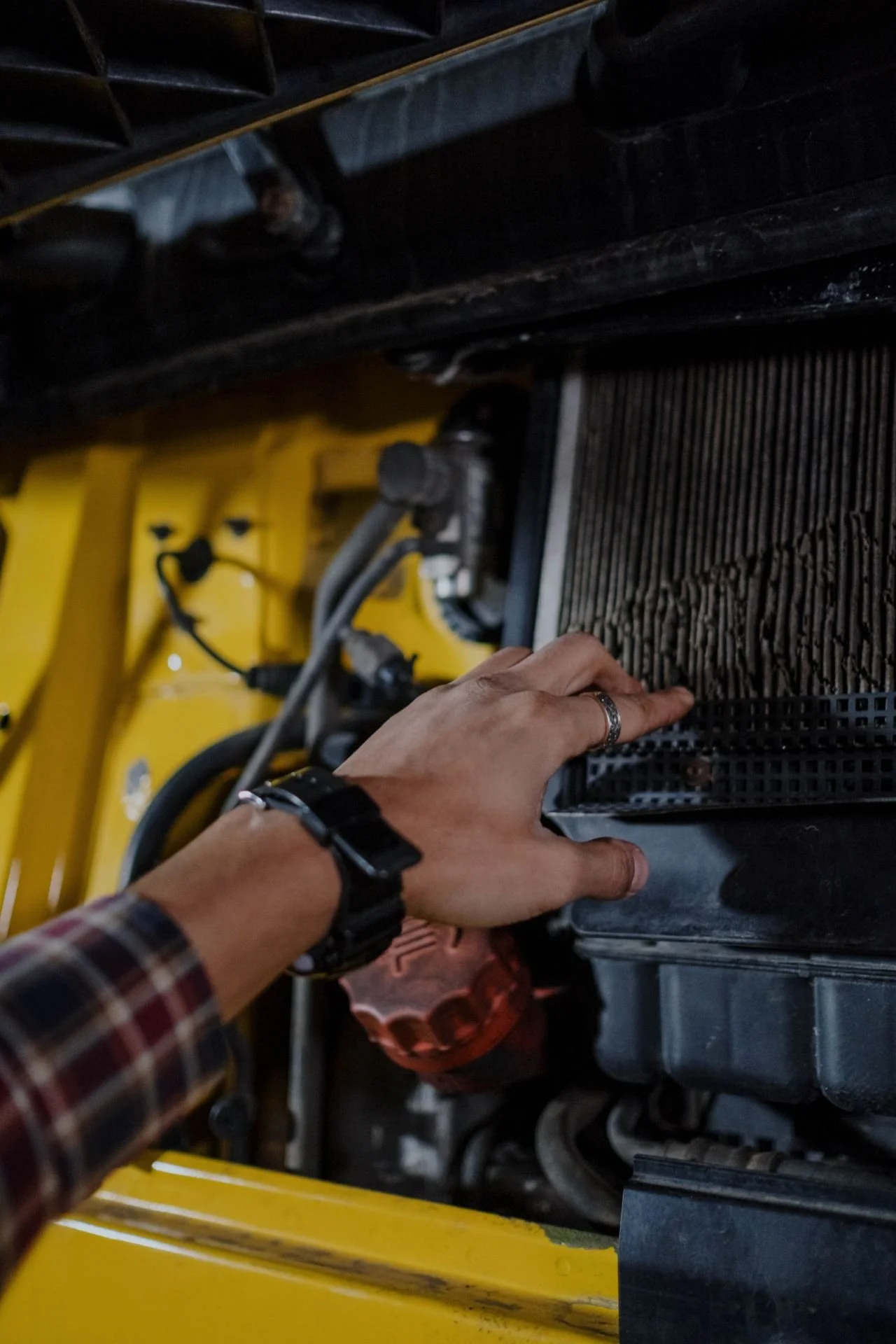
Understanding the Role of an AC Condenser in Your Truck's Cooling System
When summer temperatures rise, a properly functioning air conditioning system becomes essential for driver comfort and productivity. One of the most important components in a heavy duty truck's AC system is the AC condenser.
Many truck owners and fleet managers understand the importance of cold air in the cab, but few know exactly how the condenser works or why it plays such a critical role in the refrigeration cycle.
In this guide, we'll explain how AC condensers work on heavy duty trucks, common signs of failure, and why choosing a high quality replacement condenser is important for long term performance.
What Is an AC Condenser?
An AC condenser is a heat exchanger located near the front of a truck, typically mounted in front of the radiator and charge air cooler. Its primary job is to remove heat from the refrigerant after it leaves the AC compressor.
The condenser consists of aluminum tubes and cooling fins that allow heat to transfer from the refrigerant into the outside air.
Without a functioning condenser, your truck's air conditioning system cannot produce cold air.
How Does an AC Condenser Work?
The air conditioning system operates through a continuous refrigeration cycle.
Step 1: Compression
The AC compressor compresses refrigerant gas into a high pressure, high temperature state.
Step 2: Heat Transfer in the Condenser
The hot refrigerant enters the AC condenser.
As outside air flows across the condenser fins while driving or through cooling fans, heat is removed from the refrigerant.
The refrigerant changes from a hot gas into a high pressure liquid.
Step 3: Expansion
The liquid refrigerant travels through an expansion valve or orifice tube where pressure drops significantly.
Step 4: Evaporation
The refrigerant enters the evaporator inside the cab.
As warm cabin air passes over the evaporator, the refrigerant absorbs heat and cools the air before it is blown into the truck cab.
The refrigerant then returns to the compressor and the cycle repeats.
Why AC Condensers Are Critical in Heavy Duty Trucks
Heavy duty trucks operate under demanding conditions.
Long haul routes, stop and go traffic, construction sites, and extreme temperatures place additional stress on air conditioning systems.
A properly functioning condenser helps:
Maintain consistent cooling performance
Improve driver comfort
Reduce driver fatigue
Prevent excessive strain on the compressor
Improve overall AC system efficiency
When the condenser cannot effectively remove heat, the entire air conditioning system becomes less efficient.
Common Causes of AC Condenser Failure
Several factors can damage a heavy duty truck condenser.
Road Debris
Stones, gravel, and debris can puncture condenser tubes and cause refrigerant leaks.
Corrosion
Exposure to moisture, road salt, and chemicals can gradually corrode aluminum components.
Bent Cooling Fins
Damaged fins restrict airflow and reduce heat transfer efficiency.
Internal Blockages
Contaminants within the AC system can restrict refrigerant flow and reduce cooling performance.
Accident Damage
Even minor front end collisions can damage the condenser and affect AC operation.
Signs Your Truck Needs a New AC Condenser
Watch for these common warning signs:
Weak Cooling Performance
If the air conditioning system struggles to cool the cab, the condenser may not be dissipating heat properly.
Refrigerant Leaks
Visible oil residue or refrigerant leaks near the condenser often indicate damage.
High AC System Pressure
A clogged or restricted condenser can cause pressure levels to rise beyond normal operating ranges.
Unusual Noises
A failing condenser can contribute to system stress that creates unusual sounds during operation.
Compressor Failure
A damaged condenser can force the compressor to work harder, leading to premature compressor failure.
How to Extend the Life of Your AC Condenser
Regular maintenance can help maximize condenser lifespan.
Best practices include:
Inspecting the condenser during routine maintenance
Removing debris from cooling fins
Checking for refrigerant leaks
Monitoring AC performance
Repairing front end damage promptly
Maintaining proper cooling system airflow
Preventive maintenance often costs far less than replacing major AC components.
Choosing the Right Replacement AC Condenser
When replacing a condenser, quality matters.
Heavy duty trucks require condensers designed to handle demanding operating conditions and high cooling loads.
Look for:
Durable aluminum construction
OE fit and performance
Corrosion resistant materials
High efficiency heat transfer design
Compatibility with your truck make and model
Using a low quality condenser can lead to reduced cooling performance and shortened service life.
Find Heavy Duty Truck AC Condensers at Radiator Center
At Radiator Center, we supply high quality AC condensers for heavy duty trucks, including many of the industry's leading makes and models.
Whether you operate a single truck or manage an entire fleet, our team can help you find the right condenser to keep your drivers comfortable and your equipment operating efficiently.
Contact Radiator Center today for expert assistance and reliable heavy duty truck cooling solutions.
Frequently Asked Questions
What does an AC condenser do on a heavy duty truck?
The condenser removes heat from refrigerant and converts it from a hot gas into a high pressure liquid, allowing the air conditioning system to produce cold air.
How long does a truck AC condenser last?
Most condensers can last many years, but lifespan depends on operating conditions, maintenance, and exposure to road debris.
Can a bad condenser damage the AC compressor?
Yes. A restricted or damaged condenser can increase system pressure and force the compressor to work harder, potentially leading to failure.
Should I replace the condenser if it leaks?
In most cases, a leaking condenser should be replaced to restore proper AC performance and prevent further system damage.